
Understanding the Importance of vpn
What is vpn and How It Works
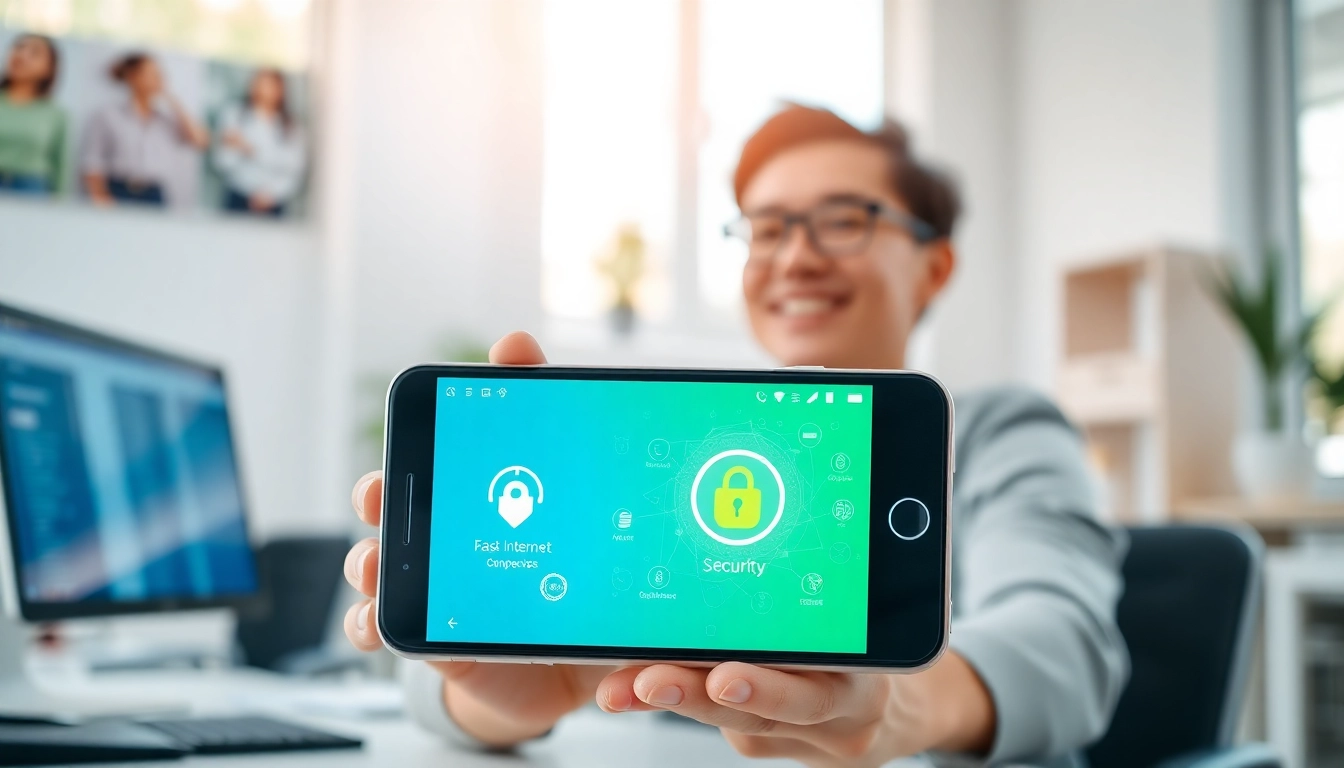
A vpn (Virtual Private Network) creates a secure connection over the internet between your device and a remote server operated by a vpn provider. When you connect to a vpn, it encrypts your data, disguising your IP address and making your online activities private. This essential tool helps maintain anonymity and security while browsing the internet, allowing users to send and receive data securely across public networks.
Benefits of Using vpn for Online Privacy
One of the primary benefits of using a vpn is enhanced privacy. It ensures that your online actions cannot be tracked by your Internet Service Provider (ISP) or third parties, making your browsing experience more secure. Here are several key benefits:
- Data Encryption: Encrypting data prevents unauthorized access, ultimately protecting sensitive information.
- IP Masking: A vpn masks your actual IP address, making it difficult for websites and advertisers to track your online behavior.
- Secure Public Wi-Fi Usage: Public Wi-Fi networks can be invasive; using a vpn safeguards your data on these networks.
- Access to Geo-Restricted Content: A vpn allows users to bypass geographic restrictions on websites, granting access to region-blocked content and services.
Common Misconceptions About vpn
Despite their popularity, several misconceptions about vpns exist. Addressing these is crucial for understanding their true value:
- Vpns are Only for Tech-Savvy Users: Many user-friendly options allow anyone to set up a vpn with minimal technical knowledge.
- Using a vpn is Illegal: While some regions have regulations, using a vpn for privacy and security is legal in most countries.
- Vpns Slow Down Internet Speed: While some vpns may cause speed loss, high-quality vpns can actually enhance speed by providing direct routes.
Choosing the Right vpn for Your Needs
Factors to Consider When Selecting a vpn
Choosing the appropriate vpn service requires careful consideration of several factors. Here are key aspects to evaluate:
- Security Features: Look for features such as strong encryption standards (AES-256), a kill switch, and DNS leak protection.
- Server Locations: A broader range of server locations allows users better access to content across different regions.
- Connection Speed: Test the connection speed claims of the vpn provider to ensure it meets your needs for streaming and gaming.
- Logging Policy: Read the provider’s privacy policy carefully; opt for no-log vpns which do not track user activity.
Top Features to Look for in a vpn
When narrowing down your options, consider these essential features:
- Multi-Device Support: Ensure the vpn can connect to multiple devices simultaneously.
- User-Friendly Interface: Choose a service with an intuitive interface, making it simple to navigate and customize settings.
- Customer Support: Look for providers that offer responsive customer service to assist with any issues.
- Compatibility: Check that the vpn is compatible with your devices and operating systems.
Understanding vpn Protocols
Protocols determine how your data is transmitted through a vpn. Key protocols include:
- OpenVPN: Known for its high security and configurability, it’s an excellent choice for advanced users.
- IKEv2/IPSec: This protocol is ideal for mobile users due to its quick reconnection ability.
- L2TP/IPSec: Offers good security but may be slower than others due to double encapsulation.
Setting Up and Configuring Your vpn
Step-by-Step Guide for vpn Installation
Setting up your vpn usually involves several straightforward steps:
- Sign Up: Choose a vpn provider, create an account, and select your plan.
- Download and Install: Download the vpn software on your device. Follow the installation prompts to complete the setup.
- Log In: Once installed, log in to your account using your credentials.
- Choose a Server: Select a server location based on your desired content access or browsing needs.
- Connect: Hit connect, and you’re ready to start surfing securely.
How to Optimize Your vpn Settings
Optimizing your vpn settings can significantly enhance performance:
- Change Protocols: Experiment with different protocols to find the fastest speed for your connection.
- Server Selection: Choose less crowded servers for better speeds and reliability.
- Adjust Encryption Levels: While higher encryption offers more security, it may reduce speed; balance both based on needs.
Troubleshooting Common vpn Issues
Common issues users face while using vpns include:
- Connection Drops: If your connection intermittently drops, try reconnecting or switching servers.
- Login Problems: Ensure you have the correct username and password; resetting passwords may also help.
- Slow Speeds: Test various servers, and consider changing the protocol for better performance.
Real-World Use Cases for vpn
Using vpn for Secure Remote Work
In today’s remote work environment, vpns play a critical role in securing sensitive company data. Employees can securely access company networks and files from anywhere, ensuring confidentiality and integrity during data transmission. Additionally, vpns facilitate collaboration among remote teams across geographical locations.
How vpn Benefits Streaming and Gaming
Vpns are invaluable for streaming services and gaming. They enable users to bypass geo-restrictions, allowing access to content libraries unavailable in certain regions. Gamers can also enjoy reduced lag times and secure connections that protect accounts from DDoS attacks.
vpn for Accessing Restricted Content
Many users experience restrictions based on geographic location. A vpn allows individuals to mask their actual location, thereby accessing restricted content, be it streaming services, websites, or social media platforms that impose region-based limitations.
Measuring the Effectiveness of Your vpn
Key Metrics for vpn Performance
To evaluate the effectiveness of your vpn, consider the following metrics:
- Connection Speed: Regularly test speeds to ensure you are achieving expected performance.
- Latency: Measure the delay before your data reaches its destination; minimal latency is preferred for optimal performance.
- Uptime: A reliable vpn should have minimal downtime, ensuring consistent accessibility.
Evaluating Your vpn Privacy and Security
Monitoring your vpn’s privacy effectiveness is crucial. Look for audits performed by third parties to verify a provider’s commitment to user privacy. Ensure features like a kill switch and DNS leak protection are enabled, enhancing your overall security.
Keeping Up with Latest vpn Trends
As technology advances, so do vpns. Stay informed about new developments, such as advancements in encryption and potential integration with emerging technologies like blockchain, to maximize your privacy and experience.
Frequently Asked Questions
What is a vpn primarily used for?
A vpn is primarily used for enhancing online security, maintaining privacy, and accessing geographically restricted content.
Is a vpn legal to use?
Yes, using a vpn is legal in most countries. Specific regulations may apply, so check local laws if in doubt.
Can I use a vpn on multiple devices?
Many vpn services allow simultaneous connections on multiple devices, but it’s essential to check your provider’s policy.
Will using a vpn slow down my internet?
While vpns can cause speed reductions, reputable providers often maintain high speeds with optimized servers.
How often should I change vpn servers?
Change servers based on your needs; if you experience slow speeds or connection issues, switching servers can help enhance performance.