
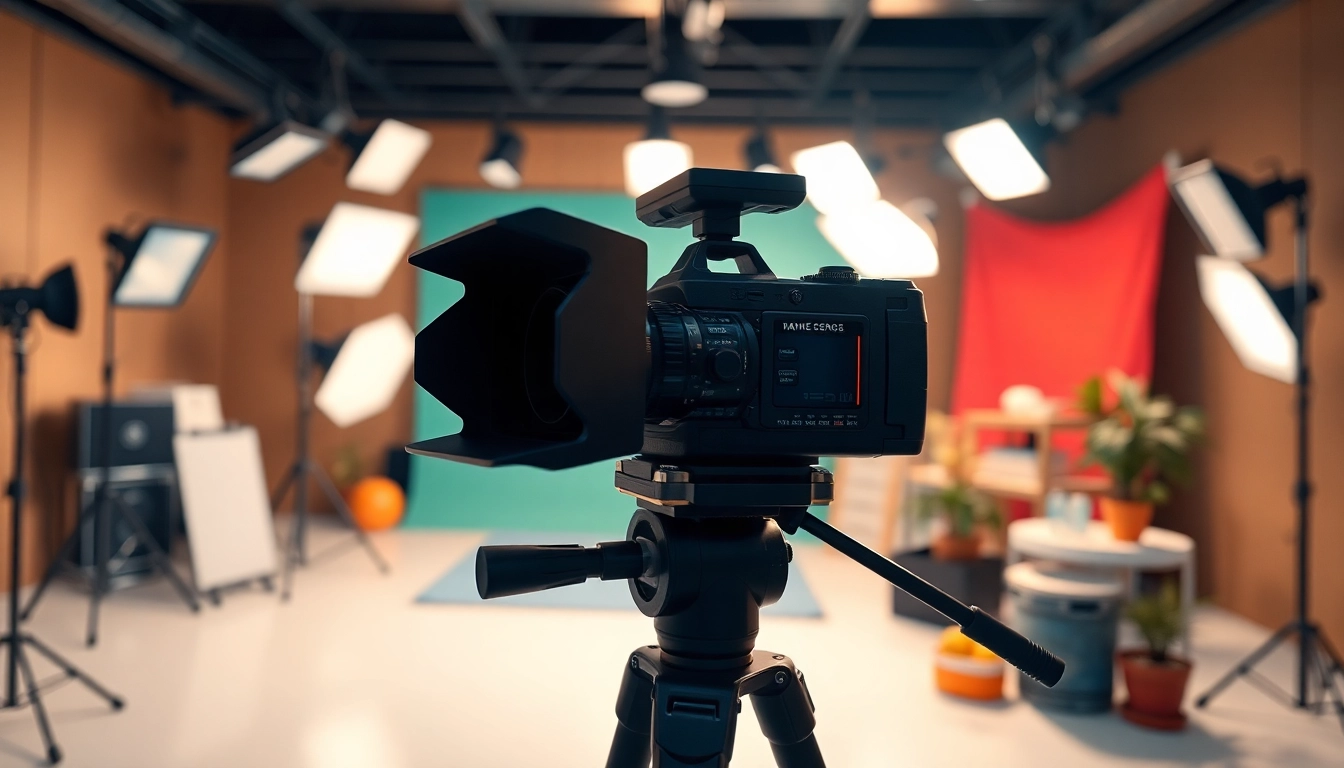
Understanding Video Production Basics
Introduction to Video Production
Video production encompasses a multifaceted process that involves the creation of video content, ranging from concept development to post-production. This exciting field combines creativity, technology, and storytelling to convey messages, entertain, or educate audiences. To succeed in this realm, understanding the foundational elements of video production is essential. Whether you are an aspiring videographer or a seasoned professional, grasping these core concepts will enhance your ability to produce high-quality visual content. A crucial aspect is recognizing the integral nature of various stages and how they interlink to create compelling narratives. For more in-depth resources on effective strategies, explore Video Production.
Key Elements of Video Production
The video production process can be broken down into several key elements: pre-production, production, and post-production. Each stage plays a vital role in the overall success of the project.
- Pre-Production: This is the planning phase. It involves brainstorming ideas, scripting, budgeting, scheduling, and assembling a production team. Proper planning can significantly impact the efficiency and effectiveness of the filming process.
- Production: This is where the actual filming takes place. It includes setting up equipment, directing talent, and capturing the footage. Effective production relies on teamwork and clear communication among all members of the crew.
- Post-Production: After filming is complete, the project enters the editing stage, where footage is cut and arranged, sound is integrated, and color grading is applied to polish the final product.
Different Types of Video Production
Video production can take various forms depending on the intended audience and purpose. Some primary types include:
- Corporate Video: Used for internal communication or marketing, corporate videos can enhance branding and convey corporate messages.
- Commercials: Short videos aimed at selling products or services, often designed to capture attention quickly and effectively.
- Documentaries: In-depth videos that explore real-life stories or issues, typically requiring extensive research and interviewing.
- Event Video: Captures live events such as weddings, conferences, or concerts, preserving the essence of the moment for future viewing.
Planning Your Video Production Project
Setting Clear Objectives
Before diving into production, it is essential to establish clear objectives for your video project. What message do you want to convey? Who is your target audience? Understanding these aspects will guide the creative process and ensure that the final product meets its goals. Setting specific, measurable, attainable, relevant, and time-bound (SMART) objectives can streamline the planning phase and enhance overall project success.
Creating a Storyboard
A storyboard serves as a visual roadmap for your video production. It outlines the sequence of shots, dialogue, and any visual or audio elements necessary for the film. Crafting an effective storyboard not only aids in visualizing the final product but also provides a reference for the crew during production. By focusing on the story and flow of visuals, you can anticipate potential issues before filming begins, saving time and resources.
Budgeting for Video Production
Financial considerations are crucial in video production. Creating a detailed budget that outlines all potential expenses, including equipment, crew, locations, and post-production costs, is vital. An effective budget helps manage resources effectively and prevents overspending. Be sure to account for unexpected costs by including a contingency fund to tackle any overruns without compromising the production quality.
Filming Techniques in Video Production
Choosing the Right Equipment
Selecting the correct equipment is fundamental to successful video production. Depending on your project’s needs, consider factors such as camera quality, lenses, audio equipment, and lighting. High-definition cameras often enhance the visual experience, while quality microphones can significantly improve sound clarity. Invest in equipment that matches your production goals, but start with the essentials if you’re on a limited budget.
Lighting Techniques for Video Production
Lighting plays a crucial role in setting the mood and enhancing the visual quality of your project. Utilize natural light or artificial sources strategically to create the desired effect. Techniques such as three-point lighting can help achieve professional-looking results by illuminating the subject from multiple angles. Experimenting with shadows and highlights can also add depth and dimension to your footage.
Effective Camera Angles and Movement
The way you capture your footage can dramatically affect the viewer’s engagement. Consider employing a variety of camera angles and movements to create visually interesting shots. Techniques such as panning, tilting, and tracking can add dynamism to your visuals. Always keep in mind the purpose of each shot; the angle should complement your narrative and enhance the viewer’s understanding of the story.
Editing Your Video Production
Essential Video Editing Software
Post-production relies heavily on editing software to bring your vision to life. Popular choices include Adobe Premiere Pro, Final Cut Pro, and DaVinci Resolve, each offering a range of features for cropping, trimming, and adding effects. Choose software that best matches your technical skill level and project requirements, and familiarize yourself with its tools to maximize efficiency during the editing phase.
Editing Techniques to Enhance Quality
Effective editing can significantly enhance the quality of your final product. Techniques such as cutting to the beat of the soundtrack, using transitions smoothly, and ensuring consistent pacing can keep viewers engaged. Consider incorporating visual effects and text overlays judiciously to underscore key messages without overwhelming the audience. A well-edited video should feel cohesive as if each segment naturally flows into the next.
Color Grading and Sound Design
Color grading is essential for establishing the tone and atmosphere of your video. As a post-production process, it involves adjusting brightness, contrast, and color tones to create a consistent look. Pairing this with effective sound design allows you to layer audio elements such as dialogue, music, and sound effects creatively. A carefully crafted soundscape can enhance the emotional impact of your video and leave a lasting impression on your audience.
Measuring Success in Video Production
Key Performance Indicators for Video
After the release of your video, it is crucial to assess its performance. Key performance indicators (KPIs) may include view count, watch time, engagement rate, and conversion metrics. These numbers provide insights into how well the content resonates with the audience and informs any adjustments needed for future projects. Strong analytics can pinpoint which aspects of your video were most successful and which elements may require refinement.
Analyzing Audience Engagement
Monitoring audience engagement is essential to understanding the impact of your video. Analyzing comments, shares, and viewer retention can offer valuable insights into what resonates with your audience. Utilize these metrics to iterate on your content strategy, tailoring future videos to better align with viewer preferences and expectations. Active engagement with your audience can also foster community and loyalty around your content.
Iterating Based on Feedback
Lastly, incorporating feedback can enhance the quality of your future video productions. Constructive criticism from viewers or stakeholders can point out areas missed during production. Iteration based on this feedback not only improves your technical skills but also ensures that your content remains relevant and compelling. Engage with your audience to cultivate a two-way dialogue, empowering them to shape your future work.
Frequently Asked Questions
What is the average cost of video production?
The average cost can vary widely, depending on project complexity. Factors include crew size, equipment used, and location. Basic projects can start around $1,000, while more intricate productions may exceed $10,000.
How long does it take to produce a video?
The timeline for video production varies based on project scope. Simple videos might take a few days, while more complex projects involve weeks or even months for planning, filming, and editing.
What is the role of a video producer?
A video producer oversees all aspects of production, from budget management to crew coordination. They ensure that the project stays on track and that the final product aligns with the creative vision and objectives.
Can I produce a video with a smartphone?
Yes, many smartphones have high-quality cameras that allow for video production. With the right lighting and sound equipment, it’s possible to create professional-looking content at a fraction of the cost.
What are common mistakes to avoid in video production?
Common mistakes include lack of planning, poor audio quality, insufficient lighting, and neglecting audience engagement. Proper preparation and attention to detail can prevent these pitfalls.