Introduction to Waterproof LVP Flooring
When it comes to flooring solutions that combine aesthetics, durability, and functionality, waterproof lvp flooring stands out as a top choice for many homeowners. This innovative flooring material offers remarkable versatility and is especially advantageous in areas prone to moisture, such as bathrooms, kitchens, and basements. In this article, we will delve into the key aspects of waterproof LVP flooring, examining its benefits, installation processes, and maintenance tips, ensuring you are well-informed to make the best choice for your home.
What is Waterproof LVP Flooring?
Waterproof LVP flooring, short for Luxury Vinyl Plank flooring, is a synthetic flooring product designed to mimic the appearance of natural materials such as wood or stone while remaining impervious to water damage. Unlike traditional vinyl flooring, waterproof LVP incorporates a series of tightly interlocking planks made from high-quality PVC materials, which makes it resilient against moisture. Additionally, many products in this category boast a rigid core that provides enhanced stability and comfort underfoot.
Moreover, waterproof LVP flooring typically features a protective wear layer on top that resists scratches, stains, and fading, contributing to its long-lasting appeal. This layering structure is what makes this flooring option not only waterproof but also durable and easy to maintain. The combination of flexibility and strength ensures that waterproof LVP can withstand high foot traffic areas without compromising its appearance.
Key Benefits of Using Waterproof LVP Flooring
Durability and Longevity
One of the standout benefits of waterproof LVP flooring is its remarkable durability. It is designed to resist water, stains, and wear, making it an excellent choice for households with children, pets, or high activity levels. With proper maintenance, LVP flooring can last anywhere from 25 to 30 years, far outpacing traditional laminate or even hardwood options.
Easy Installation
Waterproof LVP comes in various formats, including click-lock and glue-down styles, allowing for straightforward installation methods. The click-lock system is particularly user-friendly, making it possible for homeowners to install it without professional help, which can save on labor costs.
Variety of Styles and Aesthetics
Available in an array of designs, colors, and textures, waterproof LVP flooring can effectively emulate the look of traditional materials. Whether you’re looking for a rustic wood finish, sleek stone, or a contemporary tile design, there’s a suitable option to complement any home décor.
Low Maintenance Requirements
Unlike hardwood or carpet, which may require special cleaning techniques or treatments, waterproof LVP is incredibly easy to maintain. Regular sweeping or vacuuming, combined with occasional mopping, is usually sufficient to keep it looking pristine.
Comparing LVP Flooring with Traditional Options
To understand the value proposition of waterproof LVP flooring, it’s important to compare it with traditional flooring options such as hardwood, laminate, and ceramic tile. Each material has its merits, but LVP often outshines due to various key factors.
When comparing LVP to hardwood, for instance, the former offers similar aesthetics but at a lower cost and with heightened resistance to moisture. Unlike traditional wood floors that can warp or become discolored in humid environments, waterproof LVP remains stable and reliable.
On the other hand, while laminate flooring offers affordability, it is typically not water-resistant. In contrast, waterproof LVP flooring is engineered to handle water spills with ease. Similarly, while ceramic tile is durable and great in wet areas, it can be cold and uncomfortable underfoot. Waterproof LVP provides warmth and comfort, making it a well-rounded alternative.
Choosing the Right Waterproof LVP Flooring
Selecting the ideal waterproof LVP flooring for your space requires careful consideration of several critical factors. Here’s what to keep in mind when making your choice.
Factors to Consider Before Buying
The Room Type
The first consideration should be the room for which the flooring is intended. High-moisture areas like kitchens and bathrooms will benefit from waterproof features, while living rooms may prioritize aesthetics. A thorough assessment of each area’s functionality and foot traffic will help determine the best flooring selection.
Plank Thickness
Waterproof LVP flooring typically comes in varying thickness levels, which can greatly influence durability and comfort. Thicker planks often provide increased sound absorption and cushioning, becoming a preferred option for spaces where standing for long periods is common.
Visual Style and Texture
Choose a style that reflects your personal tastes and blends well with your home decor. Advanced printing technology has allowed manufacturers to create hugely diverse products that closely mimic authentic wood and stone looks. Pay attention to the texture of the planks, as some products also offer embossed surfaces that enhance realism.
Design Options and Styles for Every Taste
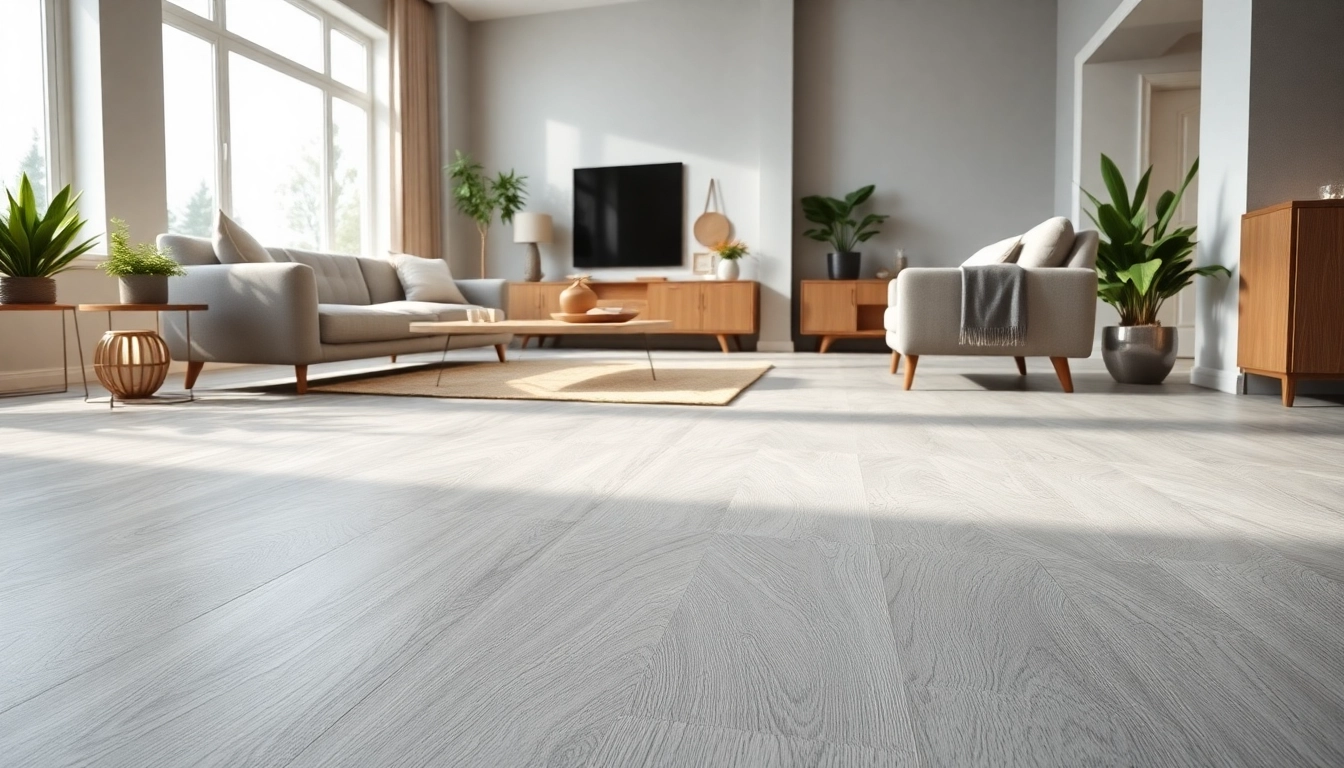
The aesthetic appeal of waterproof LVP flooring is one of its strongest selling points. Homeowners are now presented with numerous design choices—ranging from traditional oak finishes to modern grey tones to sleek stone looks. Selecting a design that resonates with your personal style can enhance the overall atmosphere of your living space.
For those who favor dark, elegant tones, rich browns or deep greys can create a sophisticated ambiance. Alternatively, lighter shades, such as natural oak or whitewashed planks, can lend a fresh and airy feel. The versatility of styles also allows for creative combinations, such as using different planks for a striking feature wall in your home.
What to Look for in Quality Waterproof LVP Flooring
As you navigate the market for waterproof LVP flooring, ensuring you invest in a product that meets high standards is paramount. Here are several critical factors to evaluate:
- Wear Layer Thickness: A thicker wear layer offers better protection against scratches and stains.
- Backing Material: Ensure the backing is moisture-resistant to prevent damage from beneath the planks.
- Slip Resistance: Look for products with an anti-slip surface for safety, especially in wet areas.
- Warranty: A generous warranty period can be a testament to the manufacturer’s confidence in their product.
Installation Process of Waterproof LVP Flooring
Installing waterproof LVP flooring can be a streamlined process, especially with the right preparation and tools. Here’s a comprehensive guide to help you successfully install your new flooring.
Preparing Your Space for Installation
Before installation begins, you’ll need to prepare the room adequately. This preparation involves:
- Clearing the area of furniture and any existing flooring.
- Cleaning the subfloor to remove dust, debris, and any imperfections.
- Ensuring the subfloor is level, dry, and stable.
- Acclimating the LVP planks by allowing them to sit in the room for at least 48 hours, enabling them to adjust to the environment.
Step-by-Step Installation Guide
Follow these steps for a successful installation of waterproof LVP flooring:
- Install Underlayment (if required): Depending on the product, you may need to lay down an underlayment to provide cushioning and sound proofing.
- Begin Laying Planks: Start in one corner of the room and lay the first plank. Be sure to leave a gap at the walls to account for expansion.
- Continue Laying Rows: Connect each plank using the click-lock mechanism or adhesive as necessary. Make sure to stagger the seams for a natural look.
- Trim Around Edges: Use a utility knife to trim any planks around doorways and edges, ensuring they fit snugly without any gaps.
- Install Baseboards and Transitions: Once the flooring is laid, add baseboards and transition strips as needed to create a polished finish.
Common Mistakes to Avoid During Installation
Installing waterproof LVP flooring can seem simple, but certain pitfalls can impact the outcome:
- Not Acclimating the Planks: Skipping the acclimation process can lead to warping or buckling later.
- Neglecting Subfloor Preparation: An unlevel or dirty subfloor can create complications during installation and long-term issues.
- Improper Spacing: Failing to leave adequate expansion gaps can lead to problems as temperature fluctuations cause the planks to swell or contract.
Maintenance and Care for Waterproof LVP Flooring
To ensure the longevity of your waterproof LVP flooring, proper maintenance is critical. Below are actionable tips and advice on how to care for your flooring.
Daily Cleaning Tips for Longevity
The best way to maintain your waterproof LVP flooring is through routine cleaning. Here are some daily tasks to add to your cleaning routine:
- Dust or sweep the floor regularly to remove dirt and debris.
- Use a microfiber vacuum attachment to prevent scratches.
- Mop the floors with a damp cloth or sponge using a pH-neutral cleaner to avoid residue buildup.
Dealing with Stains and Scratches
Stains and scratches, while treatable, should be addressed promptly:
- Immediate cleaning of spills with a damp cloth can prevent stains from setting.
- For scratches, consider using a specialized repair kit designed for vinyl flooring.
- You can also touch up minor scratches with floor wax or colored markers designed for use on vinyl.
How to Keep Your Flooring Looking New
To keep waterproof LVP flooring in pristine condition, consider these long-term maintenance strategies:
- Avoid harsh cleaners or abrasive tools that can damage the surface.
- Place mats or rugs in high-traffic areas to reduce wear and tear.
- Regularly check the wear layer, and plan to reapply or replace if it shows significant signs of wear.
FAQs About Waterproof LVP Flooring
1. Is waterproof LVP flooring truly waterproof?
Yes, waterproof LVP flooring is designed to resist water and protect against spills and moisture, making it ideal for wet areas.
2. How do I clean waterproof LVP flooring?
Regular sweeping and occasional mopping with a damp cloth and a pH-neutral cleaner are all that’s needed for proper care.
3. Can waterproof LVP flooring be installed over existing floors?
Yes, waterproof LVP can typically be installed over many existing floors, such as tile or concrete, as long as the surface is level.
4. What is the lifespan of waterproof LVP flooring?
With proper maintenance, waterproof LVP flooring can last 25 to 30 years, making it a durable flooring choice.
5. Is waterproof LVP suitable for commercial spaces?
Absolutely, waterproof LVP is durable enough for commercial use and is often recommended for high-traffic areas due to its resilience.