
Understanding IPTV Services in 2026
As the media landscape evolves, more consumers are seeking alternatives to traditional cable television. Among these alternatives, IPTV (Internet Protocol Television) has emerged as a leading solution that combines convenience, variety, and cost-effectiveness. In 2026, IPTV services have revolutionized how viewers access their favourite shows, movies, and live sports, all carefully delivered through stable internet connections. Whether you are a busy homeowner, a property manager managing multiple properties, or simply a consumer looking for reliable media options, understanding IPTV is essential to making informed choices that suit your viewing needs. When exploring options, IPTV Service provides comprehensive insights into what you need to know.
What Is IPTV and How It Works
IPTV stands for Internet Protocol Television, which means that television content is delivered over the internet rather than through traditional cable or satellite services. Unlike conventional broadcasts, IPTV streams content directly to your device using IP addresses. This allows users to watch live television channels, catch-up services, and video on demand (VOD) through an active internet connection. The technology leverages high-speed networks to ensure that content can be streamed in high-quality formats, including HD and 4K, enhancing the viewing experience significantly.
Benefits of Switching to IPTV Services
Switching to IPTV offers numerous benefits compared to traditional cable services. Firstly, IPTV services often provide a wider range of channels, including niche and international stations that may not be available through conventional providers. Additionally, many IPTV platforms come equipped with user-friendly applications that make navigation an ease. Cost is another key advantage; IPTV services typically cost significantly less than traditional cable subscriptions, giving viewers access to high-quality content without a hefty price tag. Finally, with features like catch-up TV and on-demand viewing, IPTV users enjoy greater flexibility over what they watch and when they watch it.
Comparison of IPTV Services vs Traditional Cable
When making a decision between IPTV services and traditional cable, a comparison of aspects like content variety, pricing, and user experience reveals considerable differences. Traditional cable often bundles channels, many of which may go unwatched, whereas IPTV allows users to pick and choose their desired channels and shows, tailoring their viewing package. The average monthly cost for IPTV services ranges from £10 to £25, while cable subscriptions can easily exceed £50 depending on the package. In terms of user experience, most IPTV services offer a modern interface and seamless navigation, while traditional cable often suffers from outdated equipment and interface issues. This contrast illustrates why more consumers are gravitating towards IPTV as their primary source of entertainment.
How to Choose the Right IPTV Service Provider
Choosing the ideal IPTV service provider can feel overwhelming, especially with the multitude of options in the market. However, focusing on several key factors will ease your decision. Aim for a provider that has proven expertise and a solid reputation backed by verified customer reviews. Additionally, assess whether the service is legally compliant with licensing regulations in your region, ensuring that it provides licensed content only. Cost is always a consideration; therefore, assess any available subscription plans to find the best value.
Evaluating Device Compatibility and User Experience
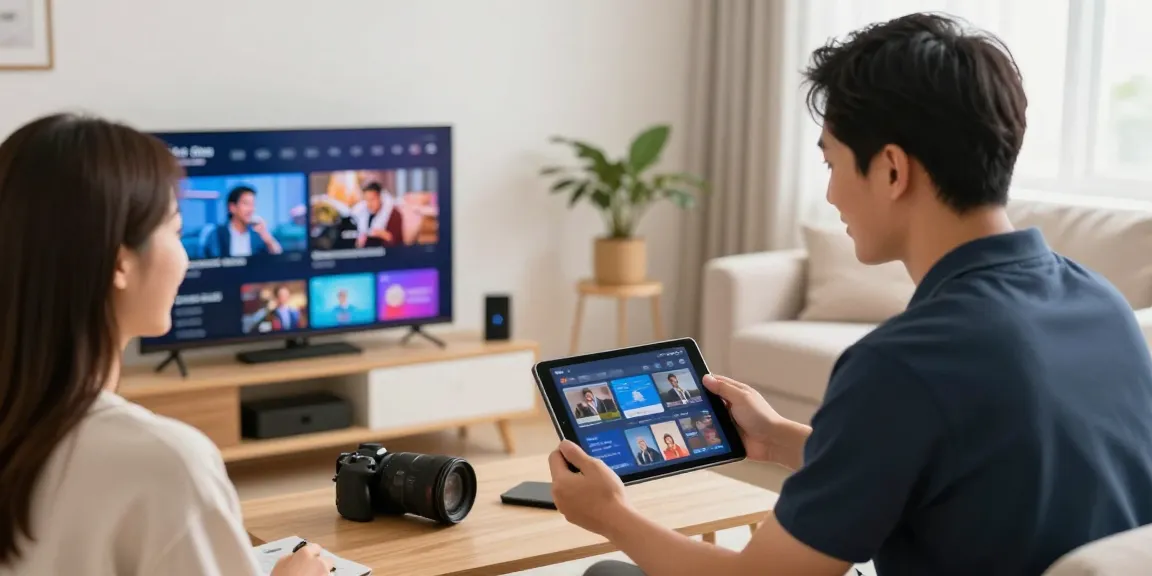
Device compatibility is a critical factor when evaluating IPTV service providers. The service should support various devices, including Smart TVs, smartphones, tablets, and set-top boxes. Look for providers that are compatible with popular platforms such as Amazon Firestick, Android TV, and Apple devices to ensure a seamless streaming experience across all your devices.
Checking Licenses and Legal Compliance
IPTV services are natural providers of high-quality streaming; however, legality is often a concern for consumers. It’s essential to verify that the chosen service provider is compliant with local and international copyright laws. They should operate transparently, with service guarantees that their content is legally licensed for distribution within your region. Providers should also clarify their licensing framework and offer reassurances regarding the legality of their services.
Identifying Customer Support and Service Reliability
Once you’ve narrowed down your options, check customer support and service reliability. The best IPTV service providers offer responsive customer support through various channels, ensuring you can get assistance quickly when needed. Assess whether they provide round-the-clock support and read reviews to get a sense of their reputation with existing customers.
Pricing Guides and Cost Breakdown for IPTV Services
Investing in IPTV services requires a solid understanding of pricing structures and available plans. Most IPTV providers offer multiple packages that cater to different viewing preferences and budgets. Transparency in pricing is crucial; watch out for any hidden fees or costs that may arise throughout your subscription.
Understanding Subscription Plans and Packages
IPTV providers typically present several subscription plans, such as monthly, quarterly, and annual packages. Monthly plans offer flexibility, allowing users to cancel without a hefty commitment while often having a higher monthly rate. Annual or long-term subscriptions tend to come with discounts, making them cost-effective for dedicated users. Ensure to review the specifics of each plan, including available channels and service availability.
Cost Comparison With Other Streaming Services
Understanding how IPTV service costs compare with other streaming services can help consumers make informed decisions. On average, many IPTV subscriptions can provide significantly more channels at a lower rate than services like Netflix or Hulu, where you may face additional charges for rental or on-demand content. This pricing structure shift underscores IPTV as a competitive option for entertainment consumption in 2026.
Long-Term Savings With IPTV
Switching to an IPTV service not only presents immediate savings but also showcases long-term financial advantages. By consolidating your viewership into a single IPTV subscription, you can eliminate multiple charges associated with standard cable subscriptions and often avoid the costs of expensive equipment rentals or extra pack upgrades, which are common in traditional cable plans. This financial efficiency is attractive for families or individuals seeking to reduce their monthly expenses without compromising on content access.
Customer Reviews and Testimonials
Insights from fellow users can be instrumental in choosing the right IPTV service provider. Many consumers will conduct thorough research and consider the experiences of real customers alongside professional reviews. Reading detailed testimonials can provide perspective on service reliability, content quality, and overall user satisfaction.
Real Experiences from Satisfied Customers
Searching for authentic experiences can help differentiate between reputable services and those that may fall short of expectations. Look at user feedback regarding streaming quality, reliability during peak hours, and customer service interactions to glean insights on how each provider operates.
What to Look for in Reviews
Rather than focus solely on star ratings, delve deeper into the reviews that outline individual experiences. Seek comments that discuss long-term usage, responsiveness of customer service, and consistent streaming quality, which provide a broader picture of what to expect. Positive indicators may include mentions of stable streaming during high-demand periods or prompt technical support resolutions.
How Feedback Influences Your Choice
Make feedback an integral part of your decision-making process. Positive reviews can instil confidence in a provider’s capabilities, while red flags raised in negative feedback may help you avoid potential pitfalls. Conduct this research in alignment with an assessment of your specific viewing needs and preferences to achieve the best fit.
Frequently Asked Questions About IPTV Services
Many consumers often have questions about IPTV services, particularly when transitioning from traditional cable. Addressing common queries related to IPTV functionality, legality, and troubleshooting tips can demystify the technology for potential users.
Is IPTV Legal in the UK?
IPTV technology itself is legal; however, legality hinges on the content being streamed. Service providers should only deliver content they are licensed to show, which aligns with UK regulations. Responsible IPTV providers will ensure their services comply with the law, offering peace of mind to subscribers.
What Devices Are Compatible with IPTV Services?
As a user, you will want to know that your devices are compatible with the IPTV service you choose. Leading IPTV providers typically support a range of devices, including Smart TVs, smartphones, tablets, and desktop computers. Check the specific devices listed by a provider to ensure compatibility, and inquire about any additional apps that may be required for use.
How to Troubleshoot Common IPTV Issues
Once you begin using IPTV services, you may encounter occasional issues such as buffering, connection problems, or playback issues. Familiarising yourself with common troubleshooting steps can alleviate frustration. These may include checking your internet speed, restarting your device, or reaching out to customer support for assistance if problems persist.