
- Understanding the Role of a New Jersey General Contractor
- Essential Qualities of a New Jersey General Contractor
- Choosing the Right New Jersey General Contractor for Your Project
- Common Challenges Faced by New Jersey General Contractors
- Frequently Asked Questions about New Jersey General Contractors
Understanding the Role of a New Jersey General Contractor
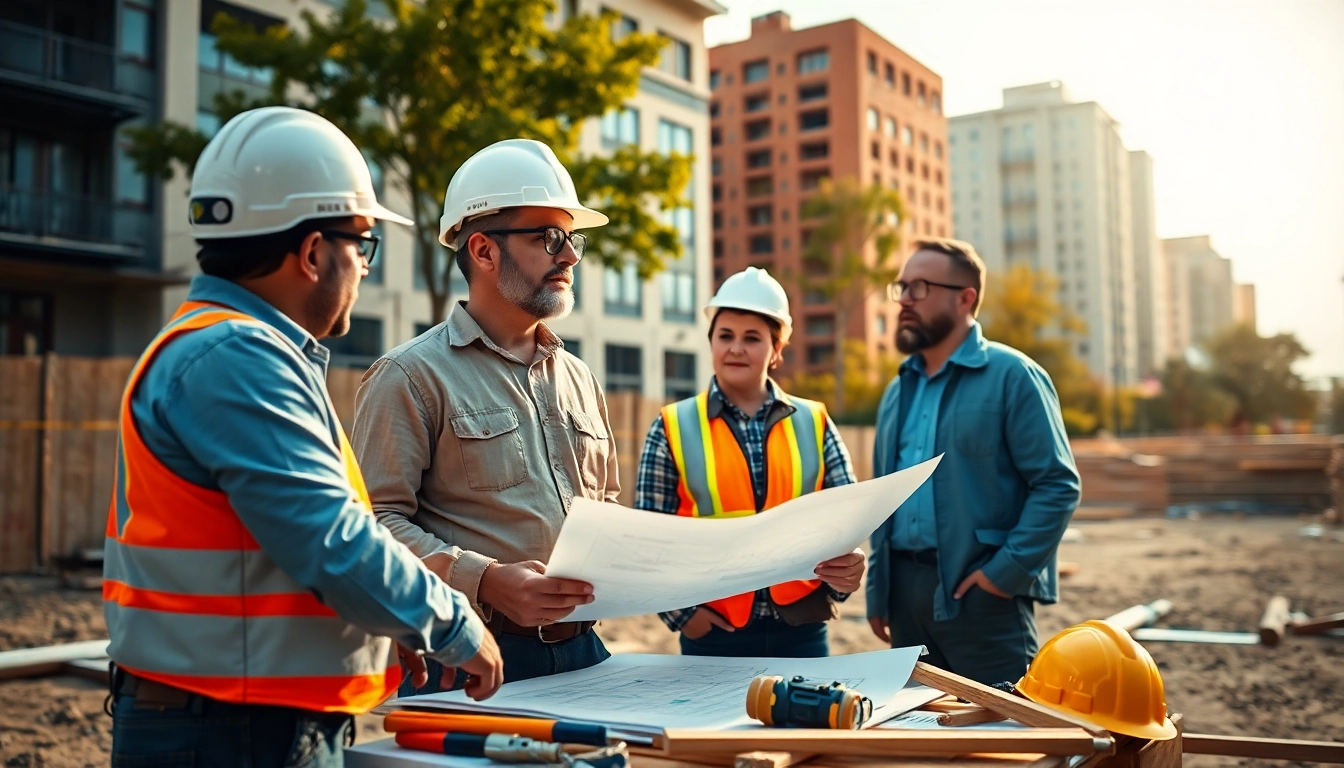
A New Jersey General Contractor plays a pivotal role in the construction and renovation landscapes of the state. They act as the primary point of contact for homeowners and businesses, overseeing and coordinating various aspects of construction projects. Whether it’s building a new home, renovating an existing property, or managing a commercial build-out, general contractors ensure that projects are completed on time and within budget. To explore more about their services, you can visit a reputable New Jersey General Contractor.
What Does a General Contractor Do?
General Contractors (GCs) are responsible for managing the entirety of the construction project. This includes planning, contracting with suppliers and subcontractors, managing workers, and ensuring compliance with building codes and regulations. Their role is comprehensive and multifaceted:
- Project Planning: GCs develop timelines, establish budgets, and coordinate between different trades involved in a project.
- Hiring Subcontractors: They select and hire subcontractors to execute specialized tasks such as electrical work, plumbing, and flooring installation.
- Site Management: GCs oversee daily operations at the construction site, ensuring everything runs smoothly.
- Quality Control: They are responsible for maintaining project standards, ensuring all work meets both quality and safety regulations.
- Liaising: GCs serve as the communication bridge between clients, subcontractors, suppliers, and regulatory bodies.
Key Responsibilities and Skills
To excel in their role, general contractors must possess a diverse set of skills and fulfill various responsibilities effectively:
- Budgeting and Financial Management: Understanding how to allocate resources and manage project finances is key.
- Negotiation Skills: GCs regularly negotiate contracts with clients and subcontractors, making strong negotiation skills essential.
- Problem-Solving Abilities: Construction often entails unexpected issues; GCs must quickly find solutions to keep the project on track.
- Time Management: Effectively managing time and keeping to schedules is crucial in the construction industry.
- Technical Knowledge: A strong grasp of construction processes, materials, and safety standards is vital for effective project management.
Essential Qualities of a New Jersey General Contractor
Experience and Expertise
Experience is invaluable when it comes to selecting a qualified general contractor. Seasoned GCs bring a wealth of knowledge, familiarity with local building codes, and a network of reliable subcontractors. Their expertise allows them to foresee potential issues and implement best practices effectively.
Strong Communication Skills
Effective communication is the cornerstone of a successful construction project. A good general contractor must convey ideas clearly to clients, subcontractors, and suppliers, ensuring everyone is aligned with the project’s goals and deadlines.
Reputation and Client Reviews
In today’s digital age, a contractor’s reputation can be evaluated through online reviews and testimonials. A reliable New Jersey General Contractor will often have a portfolio demonstrating previous work and positive client feedback, showcasing their ability to deliver quality work consistently.
Choosing the Right New Jersey General Contractor for Your Project
Evaluating Project Needs and Requirements
Before selecting a general contractor, it is crucial to evaluate your project’s specific needs, including the type and scope of work required, along with your budget. Understanding these factors will guide you in selecting a contractor with the right expertise.
Requesting Bids and Estimates
Once you’ve identified potential contractors, requesting detailed bids and estimates ensures you can compare costs and services effectively. A thorough estimate should include labor, materials, and additional fees to prevent unexpected expenses later on.
Interviewing Potential Contractors
Interviews are an integral part of the selection process. Ask about their experience, project management approach, and how they handle challenges. Requesting references and visiting past projects can provide insight into their work style and reliability.
Common Challenges Faced by New Jersey General Contractors
Dealing with Delays and Budget Overruns
Delays and budget overruns are common challenges in the construction industry. Factors such as weather, supply chain issues, and labor shortages can impede progress. Effective planning, open communication, and contingency budgeting can mitigate these challenges.
Regulatory Compliance and Permits
Navigating the regulatory environment in New Jersey can be complex. GCs must understand local building codes and ensure all necessary permits are secured before commencing work. This can prevent costly legal issues and ensure safety on-site.
Managing Client Expectations
Managing expectations is vital for maintaining client satisfaction. Regular updates and transparent communication about progress, challenges, and timelines can help foster a positive working relationship. Setting realistic goals from the outset can prevent misunderstandings and disappointments.
Frequently Asked Questions about New Jersey General Contractors
What should I look for in a contractor?
Look for experience, strong communication skills, good reviews, and a detailed proposal that outlines costs and timelines. Trust and transparency are essential.
How much does a general contractor typically charge?
General contractors often charge a percentage of the total project cost, which can range from 10% to 20%. Hourly rates may apply for smaller projects.
How long does a typical construction project take?
The duration varies based on the project’s size and complexity. Small renovations may take weeks, while larger builds can extend several months or longer.
Are contractors responsible for obtaining permits?
Yes, general contractors typically handle the permit application process. They ensure all work complies with local regulations, which helps avoid legal issues.
What is the difference between a general contractor and a subcontractor?
A general contractor manages the entire project, overseeing subcontractors, who specialize in specific tasks, such as electrical or plumbing work.