
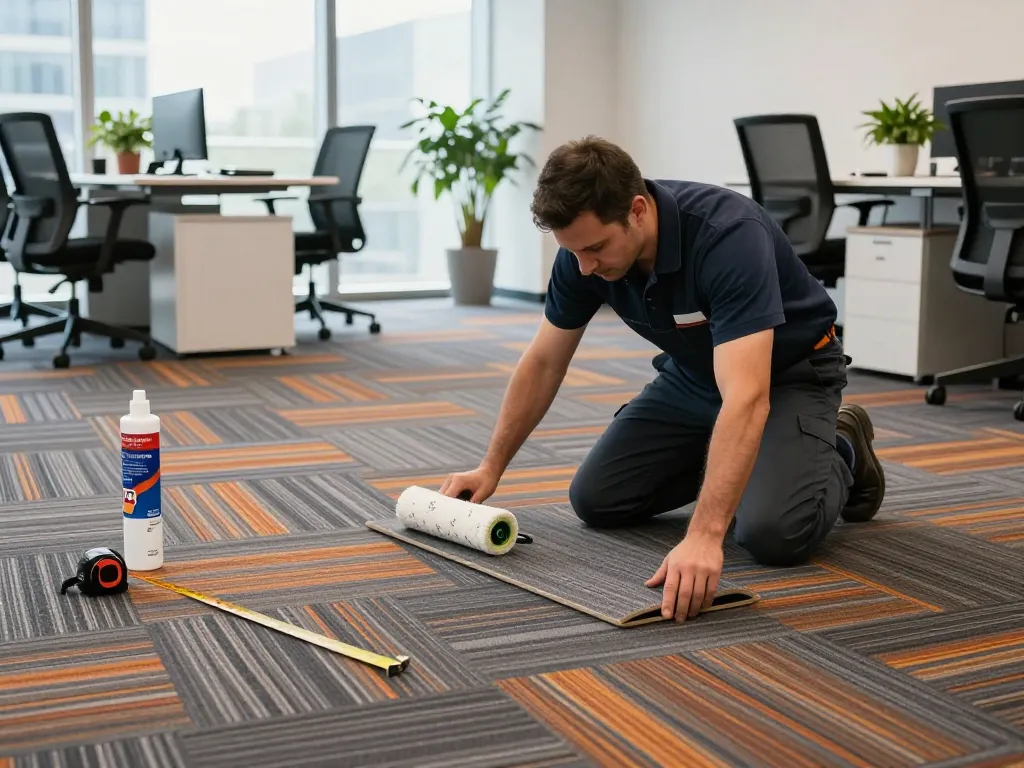
Understanding Commercial Carpet Installation
In the world of business, the environment plays a critical role in fostering productivity and enhancing the brand image. One of the key elements that can significantly influence this is flooring, particularly through commercial carpet installation. This process involves laying down carpets designed specifically for high-traffic areas in commercial spaces, offering both aesthetic appeal and functionality. Whether you are outfitting an office, retail space, or hospitality venue, understanding the intricacies of commercial carpet installation is essential for making informed decisions.
What is Commercial Carpet Installation?
Commercial carpet installation refers to the process of fitting carpets in various types of business environments. Unlike residential carpets, commercial carpets are engineered to withstand greater foot traffic and wear. This installation can encompass a broad spectrum of settings, including offices, hotels, schools, and healthcare facilities. The primary goal is to create an inviting atmosphere while ensuring durability and ease of maintenance.
Key Benefits of Professional Installation
Engaging professionals for carpet installation brings several advantages:
- Expertise: Professional installers have the necessary skills and experience to manage complex layouts and designs effectively.
- Quality Assurance: Hiring professionals ensures that the materials are installed according to industry standards, minimizing the risk of damage and enhancing longevity.
- Time Efficiency: Professionals work quickly and efficiently, often completing installations in a fraction of the time compared to DIY efforts.
- Access to Specialized Tools: Professional carpet installers have access to specialized equipment that can make the process smoother and more precise.
Common Myths about Carpet Installation
Misconceptions abound regarding commercial carpet installation. Here are a few:
- Myth: All carpet installations are the same.
- Fact: Different environments require different materials, installation techniques, and maintenance plans.
- Myth: Carpet is not durable enough for heavy use.
- Fact: High-quality commercial carpets are specifically designed to endure high traffic without compromising on appearance.
Choosing the Right Carpet for Your Project
Selecting the ideal carpet for a commercial space entails more than just personal taste; it requires an understanding of the environment and its demands.
Types of Commercial Carpets and Their Uses
There are various types of commercial carpets, each suitable for specific applications:
- Loop Pile: Durable and ideal for high-traffic areas, loop pile carpets resist crushing and matting.
- Cut Pile: Often softer underfoot, these are suitable for areas where comfort is prioritized.
- Carpet Tiles: Versatile and easy to replace, carpet tiles are perfect for large spaces that may require ongoing maintenance.
- Indoor/Outdoor Carpets: Designed to withstand weather elements, these carpets are great for transitional spaces.
Factors to Consider When Selecting Carpet
When selecting carpet, consider the following factors:
- Traffic Level: Evaluate how much foot traffic the area will receive to choose appropriate materials.
- Maintenance Requirements: Some carpets require more upkeep than others; consider how much time and effort you’re willing to invest.
- Style and Aesthetics: The carpet should complement the interior design and branding of your business.
- Budget: Costs can vary widely, so it’s essential to find a balance between quality and expense.
Cost versus Quality: Making the Right Choice
Investing in commercial carpets is a long-term decision. While cheap options may save money upfront, they can lead to higher costs in maintenance and replacement. Quality materials may come with higher initial expenses but offer durability and aesthetic value that can enhance your business’s environment.
Steps in the Installation Process
Effective carpet installation involves a series of steps that ensure optimal results.
Preparing the Site for Installation
Preparing the site is crucial for a successful installation. This involves clearing the area, ensuring the subfloor is clean and level, and moving any furniture or obstacles. Proper preparation minimizes the risk of future complications.
Installation Techniques and Best Practices
There are various techniques employed during the installation of commercial carpets:
- Stretch-in Method: This common method involves using tack strips along the perimeter and stretching the carpet tightly to avoid wrinkles.
- Glue-down Method: Suitable for high-traffic areas, this method involves adhering the carpet directly to the subfloor, providing stability.
- Tile Installation: Carpet tiles can be installed using adhesive or loose lay methods, allowing for flexibility in design and easy replacement.
Post-Installation Care and Maintenance
Once installed, proper care is essential to ensure longevity. Regular vacuuming, spot cleaning, and periodic deep cleaning can preserve the carpet’s appearance and extend its life.
Maximizing the Longevity of Your Carpet
To get the most out of your investment, maintaining the carpet properly is vital.
Regular Maintenance Tips for Commercial Carpets
Regular maintenance practices include:
- Vacuuming daily to remove dirt and debris.
- Using proper cleaning solutions to avoid damaging the fibers.
- Scheduling professional deep cleaning every 12-18 months.
- Implementing matting systems at entry points to reduce dirt tracked onto the carpet.
When to Replace Your Carpet: Signs to Watch For
Recognizing when to replace your carpets can save money in the long run. Signs include:
- Visible wear and tear, such as fraying or bald spots.
- Persistent odors that cannot be eliminated.
- Stains that do not respond to cleaning efforts.
Environmental Considerations and Sustainable Choices
More businesses are opting for sustainable flooring options. Recycled materials and low-VOC carpets can reduce environmental impact, making them an excellent choice for eco-conscious organizations.
Future Trends in Commercial Carpet Installation
The commercial carpet industry is evolving to meet modern demands with innovations.
Innovations in Carpet Materials and Design
New technologies and materials are emerging, offering enhanced durability, aesthetic options, and ease of maintenance. Sustainable and smart carpets are becoming increasingly popular, often featuring integrated technology for better performance.
Embracing Technology for Efficient Installations
Advancements in tools and installation techniques make the process quicker and more efficient. Digital measuring tools and design software help installers visualize the final product, leading to more accurate installations.
Predictions for the Carpet Industry in 2026
By 2026, the commercial carpet industry is expected to see further integration of sustainable practices, increased customization options, and a focus on health and wellness through flooring choices. Businesses will likely prioritize materials that improve indoor air quality and reduce allergens.
How much does commercial carpet cost installed?
The cost for commercial carpet installation can vary widely, usually ranging from $2.50 to $7.50 per square foot, depending on the quality of materials and the complexity of the installation process.
What are the best materials for commercial carpets?
Some of the best materials include nylon for durability, polyester for stain resistance, and wool for luxury and comfort combined with performance.
How long does the installation process typically take?
Depending on the size of the project, the installation can take anywhere from a few hours to several days, particularly for larger spaces where careful preparation is essential.
Can I install commercial carpet myself?
While DIY installation is possible, it is often recommended to hire professionals, particularly for complex layouts, to ensure the best results and longevity of the carpet.
What should I look for in a carpet installer?
When choosing a carpet installer, look for experience, positive reviews, insurance, and a portfolio of previous work. A good installer will also provide a detailed quote and warranty for their services.