Understanding Mini Split AC Systems
With the rapid advancements in HVAC technology, homeowners are increasingly exploring mini split ac systems as a viable option for maintaining optimal indoor temperatures. These systems are particularly favored for their energy efficiency, flexibility, and ease of installation compared to traditional air conditioning units. In this article, we will delve into the intricacies of mini split AC systems to provide you with the knowledge necessary to make informed decisions about your cooling needs.
What is a Mini Split AC?
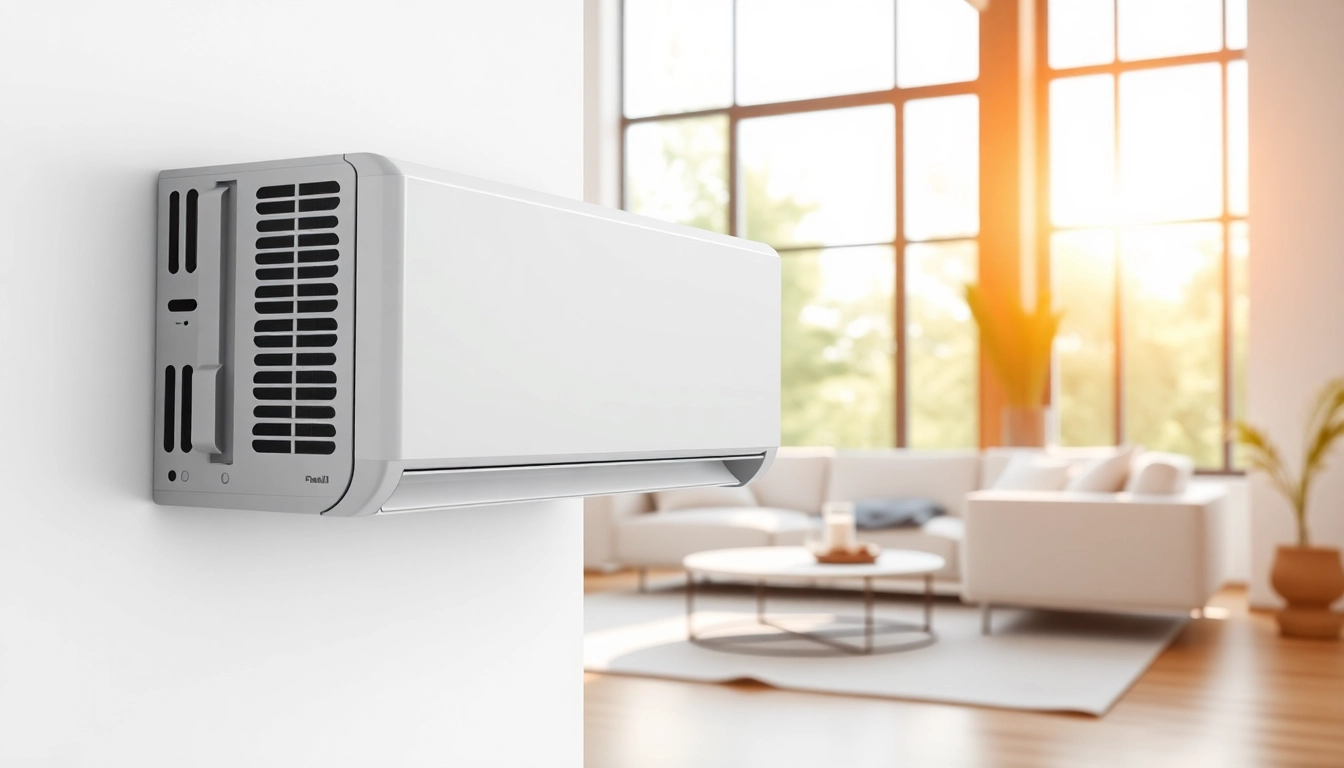
A mini split AC, often referred to as a ductless mini-split air conditioning system, is a heating and cooling solution that offers versatility and efficiency. These systems do not require ductwork, making them an ideal choice for homes without a centralized HVAC system. They consist of two primary components: an outdoor compressor unit and one or more indoor air handling units. The outdoor unit pumps refrigerant to the indoor units, which then cool the air for distribution within specific zones of the home.
Components of Mini Split AC
The architecture of a mini split AC system is relatively simple, comprising the following key components:
- Outdoor Unit: This unit houses the condenser and compressor, where heat exchange occurs and refrigerant circulates.
- Indoor Unit(s): These wall-mounted or ceiling-mounted units are responsible for delivering conditioned air into the living space. Multiple indoor units can be connected to one outdoor unit for zoned cooling.
- Refrigerant Lines: Insulated pipes that transport refrigerant between the outdoor and indoor units, facilitating heat exchange.
- Drainage Line: Removes condensation generated during cooling, ensuring efficiency and preventing water damage.
Advantages of Mini Split AC
Mini split AC systems present several advantages that make them appealing for both residential and commercial applications:
- Energy Efficiency: With SEER ratings often exceeding 20, mini split AC units can significantly reduce energy consumption and lower utility bills.
- Flexibility: The ability to install multiple indoor units allows for customized temperature control in different areas of your home.
- Quiet Operation: Many models operate at sound levels comparable to a whisper, ensuring a peaceful indoor environment.
- Simplified Installation: Since they require no ductwork, mini split systems can be installed in a fraction of the time compared to traditional systems.
Choosing the Right Mini Split AC for Your Needs
Investing in a mini split AC system requires careful consideration of various factors, including the size of the space, the efficiency of the unit, and your specific cooling needs. Let’s explore how to effectively evaluate these aspects.
Assessing Cooling Requirements
The first step in selecting a mini split AC is to assess the cooling requirements of the area you intend to cool. This requires calculating the cooling load, usually measured in BTUs (British Thermal Units). Factors to consider include:
- Room Size: Larger rooms require higher BTU ratings to cool effectively.
- Insulation Quality: Well-insulated spaces retain cool air better, possibly allowing for a smaller unit.
- Number of Occupants: More people generate additional heat; plan accordingly.
A professional HVAC technician can perform a detailed load calculation to ensure your selected unit meets your needs efficiently.
Comparing Brands and Features
With a variety of brands on the market, it’s essential to compare features to find the best mini split AC for your requirements. Consider the following:
- Energy Efficiency: Look for high SEER ratings for lower energy costs and environmental impact.
- Noise Levels: Research models known for their quiet operation, especially if noise is a concern in your living space.
- Smart Technology: Many modern units include smart controls, enabling temperature adjustments from your smartphone.
Determining Installation Costs
The total cost of installing a mini split AC system can vary significantly based on factors like the number of indoor units, complexity of installation, and any necessary electrical work. On average, homeowners can expect to pay between $2,000 and $5,000. It’s a good idea to obtain multiple quotes from licensed contractors to ensure fair pricing and quality service.
Installation Best Practices for Mini Split AC
Successfully installing a mini split AC system is essential for ensuring its performance and longevity. By following best practices, you can mitigate potential issues and enhance overall efficiency.
Preparing Your Space
Before installation, it’s crucial to prepare your space effectively. This involves selecting optimal locations for the indoor and outdoor units, considering factors like:
- Access for maintenance
- Distance to power sources
- Avoiding obstructions that may block airflow
Ensure that the site is clean and clear from debris to allow for unhindered installation.
Installation Process Overview
The installation process includes several steps, usually performed by a qualified technician:
- Mounting the Indoor Units: Proper mounting ensures stability and effective airflow.
- Installing the Outdoor Unit: This involves placing the unit on a solid base and ensuring proper ventilation.
- Connecting Refrigerant Lines: The technician will run refrigerant lines and drainage pipes between the indoor and outdoor units.
- Electrical Connections: Power supply to the units needs to be carefully connected to avoid safety hazards.
- Testing the System: Once installed, the technician should test the entire system to ensure it operates correctly.
Common Installation Mistakes
While the installation may seem straightforward, several common mistakes can compromise system performance. Be aware of the following pitfalls:
- Poor Location Choice: Placing indoor units in inappropriate locations can hinder effective airflow.
- Incorrect Refrigerant Charge: Both under and overcharging the refrigerant can lead to inefficient cooling and potential damage.
- Neglecting Insulation: Failing to properly insulate the refrigerant lines can lead to substantial energy loss.
Choose an experienced technician to minimize these risks and guarantee proper installation.
Maintenance Tips for Your Mini Split AC
To ensure the longevity and efficiency of your mini split AC system, regular maintenance is paramount. Here are some essential maintenance tips to keep in mind:
Regular Cleaning and Servicing
Routine cleaning of your system can enhance efficiency and prolong its lifespan. Schedule professional servicing at least once a year and attend to the following tasks:
- Clean or replace air filters monthly, depending on usage.
- Ensure the outdoor unit is free from debris and plant overgrowth.
- Inspect and clean drain lines to prevent blockages and overflow.
Identifying Signs of Wear
Regular use may result in the wear and tear of components. Pay attention to any unusual noises, fluctuations in temperature, or increased energy bills, as these may indicate underlying issues requiring immediate attention.
Extending the Lifespan of Your AC
By following good maintenance practices, you can extend the lifespan of your mini split AC system significantly. Consider implementing the following:
- Use a programmable thermostat to optimize your cooling schedule.
- Seal any gaps or leaks in your home that can let conditioned air escape.
- Make sure to clean the units thoroughly at the beginning and end of the cooling season.
FAQs About Mini Split AC Systems
How efficient are mini split AC units?
Mini split AC units are highly efficient, often featuring SEER ratings above 20, leading to significant energy savings.
Can I install a mini split AC myself?
While DIY installation is possible, it’s recommended to hire professionals to ensure proper setup and optimal performance.
Are mini split AC systems noisy?
Most mini split AC systems operate quietly, with indoor units producing sound levels around 25-30 decibels, similar to a whisper.
How often should I service my mini split AC?
It’s best to service your mini split AC at least once a year to maintain efficiency and prolong its lifespan.
What are the typical installation costs for mini split AC?
Installation costs vary based on complexity and location, generally ranging from $2,000 to $5,000, including equipment.