Understanding Cabinet Refacing Clearwater FL
What is Cabinet Refacing?
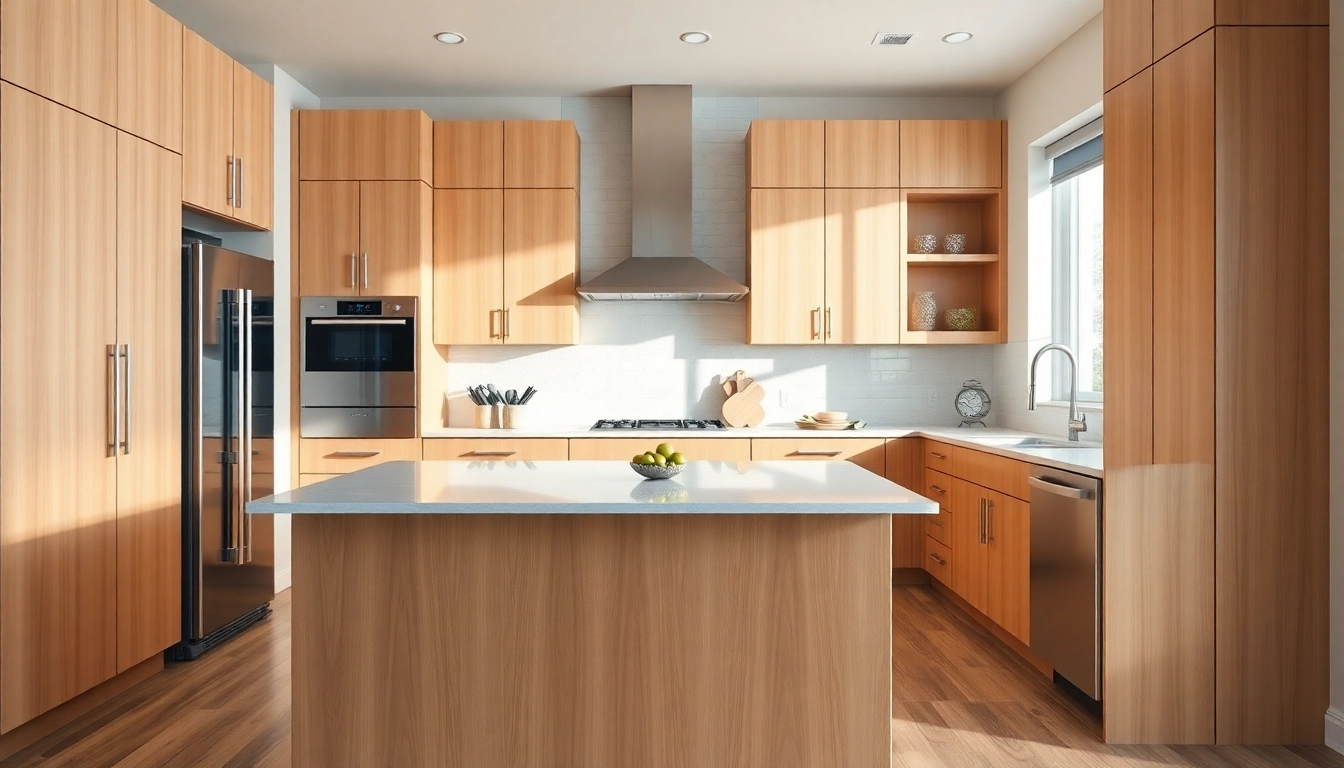
Cabinet refacing is a process that involves renovating existing cabinetry without completely removing it. This method revitalizes cabinetry in kitchens and bathrooms by replacing the cabinet doors, drawer fronts, and veneer while leaving the cabinet boxes intact. This approach not only refreshes the aesthetics of your space but also preserves the underlying structure, resulting in a faster and more cost-effective solution than a full cabinet replacement. For homeowners in Clearwater FL seeking high-quality and affordable options, Cabinet Refacing Clearwater FL can be a transformative choice.
Benefits of Cabinet Refacing Clearwater FL
Cabinet refacing offers a myriad of benefits. Firstly, it is significantly less expensive than a complete cabinet replacement, allowing homeowners to achieve a fresh look without breaking the bank. Additionally, the process is typically quicker, often taking only a few days. This minimizes disruption in your home, particularly in high-traffic areas like kitchens. Refacing also has environmental advantages, as it reduces waste by keeping existing materials in place and requiring fewer new resources.
Moreover, refacing allows for customization. With an expansive selection of colors, finishes, and styles available, homeowners can create a tailored look that perfectly fits their vision for their space. Increased home value is another crucial benefit; well-refaced cabinets can significantly boost the appeal of your home to potential buyers.
How Cabinet Refacing Differs from Cabinet Replacement
The primary distinction between cabinet refacing and cabinet replacement lies in the extent of the renovation. Cabinet replacement entails the complete removal of existing cabinetry and installation of new cabinets, which can be time-consuming and expensive. Refacing, on the other hand, focuses on the visible aspects of the cabinets while keeping the structural integrity of the cabinet boxes intact. This not only streamlines the process but also cuts costs, making refacing a preferred option for many homeowners.
Furthermore, refacing generally involves less construction mess and a faster turnaround, which can be crucial for families who need to access their kitchens and bathrooms without prolonged disruption. In essence, if you love the layout of your cabinetry and are primarily concerned with aesthetics, refacing is often the way to go.
Choosing the Right Materials for Cabinet Refacing Clearwater FL
Types of Materials Used
When it comes to cabinet refacing, selecting the right materials is essential for achieving the desired look and durability. Common materials used in the refacing process include laminate, veneer, and solid wood.
1. Laminate: This is a cost-effective option that comes in a variety of colors and patterns. It’s scratch and moisture-resistant, making it suitable for high-traffic areas.
2. Veneer: A thin layer of real wood glued onto a substrate, veneer provides a more upscale look while being lighter and easier to install than solid wood. It offers the beauty of wood while being more affordable.
3. Solid Wood: Known for its durability and aesthetic appeal, solid wood is often used for high-end refacing projects. It can be stained or painted to suit various styles.
Choosing the Right Finish
The finish you select for your cabinets can significantly impact the overall look and feel of your space. Options include matte, satin, semi-gloss, and high-gloss finishes:
1. Matte: Offers a soft and subtle appearance, perfect for modern and minimalist designs.
2. Satin: Provides a slight sheen, combining the durability of glossy finishes with the understated appeal of matte.
3. Semi-gloss: Reflective enough to add depth while being easy to wipe and maintain, making it ideal for areas prone to spills.
4. High-gloss: A bold finish that reflects light beautifully, often used in contemporary spaces to make a statement.
Eco-Friendly Options for Refacing
For environmentally-conscious homeowners, there are eco-friendly materials available for cabinet refacing. Reclaimed wood, bamboo, and low-VOC (volatile organic compound) finishes reduce the environmental impact of your renovation. Reclaimed wood not only provides a unique rustic look but also contributes to sustainability by reusing materials. Bamboo is a rapidly renewable resource, making it an excellent choice for eco-friendly cabinetry.
Moreover, many manufacturers now offer cabinet refacing kits that adhere to green building standards, ensuring that your project leaves a minimal ecological footprint.
The Refacing Process Explained
Initial Assessment & Design Consultation
The cabinet refacing process often begins with an initial assessment and design consultation. During this phase, a professional will evaluate the condition of your existing cabinetry and discuss your style preferences and functional needs. This step is crucial for determining the scope of the project and the materials best suited to your space.
Additionally, many companies provide digital design tools that allow you to visualize potential changes, offering a clearer idea of how your newly refaced cabinets will look. This consultation stage is an opportunity to explore various styles, colors, and finishes that align with your vision.
Preparation and Installation Steps
Once the design is finalized, the preparation phase begins. This involves removing cabinet doors and drawers, as well as any hardware and fixtures. Next, the cabinets are cleaned and prepared for new material application. After this, the chosen veneers or laminates are adhered to the existing cabinet boxes and new doors and drawer fronts are installed. This process typically takes just a few days, making it a convenient option for homeowners.
During installation, it’s essential for the team to pay attention to detail, ensuring that all edges are trimmed correctly and surfaces are smooth. Once the installation is complete, hardware such as knobs and pulls is added, bringing a polished final look to the cabinets.
Post-Installation Care Tips
Maintaining the fresh look of your refaced cabinets is crucial for ensuring their longevity. Here are some post-installation care tips:
- Avoid using harsh chemicals or abrasive cleaners; instead, use a mild soap and water solution.
- Wipe spills promptly to prevent damage to finishes and materials.
- Regularly check for loose hardware and tighten as needed.
- Keep cabinets dry to prevent moisture damage, especially in kitchens and bathrooms.
Following these guidelines will help ensure that your cabinet refacing investment holds up beautifully for years to come.
Cost Factors for Cabinet Refacing Clearwater FL
Budgeting for Your Refacing Project
Budgeting for a cabinet refacing project can vary based on several factors including the size of your kitchen or bathroom, the materials chosen, and the extent of custom work. Typical costs can range from a few thousand dollars for standard projects to significantly more for high-end options. Establishing a budget before starting the project can help you make informed decisions regarding materials and finishes.
It’s advisable to gather multiple quotes from different professionals to ensure you get the best value for your investment, taking care to assess their experience and previous work quality.
Common Expenses to Consider
When budgeting for cabinet refacing, keep the following common expenses in mind:
- Material Costs: This includes the price of veneers, laminates, and hardware.
- Labor Costs: Installation fees can vary based on the complexity of the project.
- Consultation Fees: Some companies charge for design consultations, while others include it in the overall package.
- Additional Features: Custom features such as new drawer systems or lighting can add to overall costs.
Being aware of these potential expenses can help you avoid surprises during the project.
Cost vs. Value of Cabinet Refacing
Understanding the cost versus value of cabinet refacing is critical for homeowners. While initial investment costs may seem high, the long-term value it adds to your home can be significant. Refaced cabinets can improve your home’s aesthetics without the extensive costs associated with new cabinetry. Furthermore, a well-executed refacing job can yield a high return on investment, particularly if you plan to sell your home in the near future.
Frequently Asked Questions
How long does cabinet refacing take?
Cabinet refacing typically takes three to five days, depending on the scope of the project. Preparation, installation, and drying times contribute to the overall timeline.
Can I do cabinet refacing myself?
While DIY refacing is possible, it often requires advanced skills in carpentry and access to specialized tools. Hiring a professional can ensure quality results.
What if I want to change cabinet layouts?
Refacing primarily focuses on updating appearance. If you seek changes in cabinet layout, consider a full cabinet replacement to achieve your desired outcome.
Are there warranty options for refaced cabinets?
Most reputable refacing companies offer warranties on their work, which can cover materials and installation. Always inquire about warranty specifics.
How do I maintain my refaced cabinets?
Maintain refaced cabinets by using gentle cleaners, promptly addressing spills, and securing loose hardware. Regular dusting and avoiding excess moisture will enhance longevity.